
Parents making claims for benefits but working just one day per week are expected to receive significantly large payments amounting to around £140,000 next year — and this is entirely due to Labour's "Benefit Street" policy. Budget '.
Today's Daily Mail report reveals the consequences of the government's choice to remove the two-child benefit limit.
Estimates indicate that a family with three young kids making only £10,152 annually together might now boost their income by almost £76,000 — approximately £12,000 higher compared to what they would get under the cap.
This would essentially allow them to keep £86,000, as neither parent would contribute anything towards taxes or National Insurance.
Their overall net income would, As per the Daily Mail's calculations, this would equate to a pre-tax salary of £140,000 for an individual or £56,000 each for a pair.
A lone parent facing similar circumstances might increase their earnings to £83,000, which equals the gross income of someone making £135,000.
In context, the average pre-tax full-time salary in the UK is approximately £39,000. This increases to £49,000 in London .
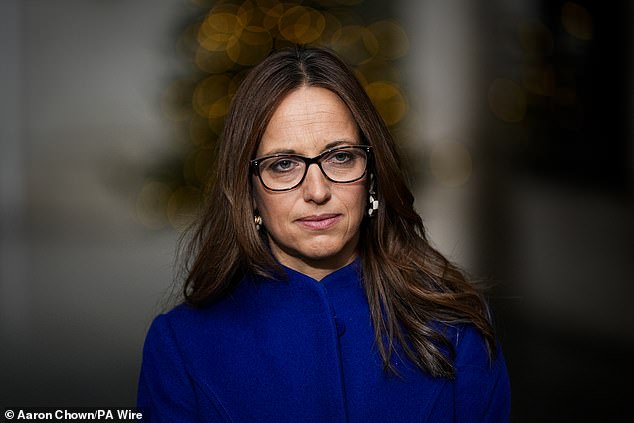
Shadow Work and Pensions Minister Helen Whately said to the Daily Mail: "Due to Rachel Reeves' Budget for Benefits Street, the system encourages people to work less and receive more."
She stated: "With Labour in power, individuals earning moderate wages can supplement their earnings with tens of thousands through benefits — akin to having a six-digit income."
Our social support network functions properly only when it is just for those contributing to it. It doesn’t take an expertise in morality to recognize that this situation is unjust.
'The welfare system has collapsed, and only the Conservatives, with our suggested £23 billion in cuts, possess the strength to restore it and make Britain function properly.
Reeves' choice to remove the limit would provide advantages to 470,000 larger households receiving support, at an annual cost of £3.2 billion for taxpayers.
The Conservative Party has already promised to lift the two-child limit should they come into office.
Following this analysis, the think tank the Centre for Social Justice had previously highlighted that excessive welfare benefits have led to 'a continued weakening of the motivation to work, or to advance in one’s job.'
The CSJ – led by a previous Tory Work and Pensions Secretary Iain Duncan Smith stated in a report released last month that the system provides a better quality of life for individuals who are not employed compared to those who are working.
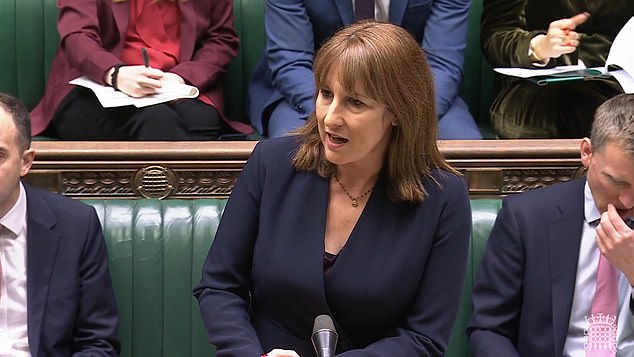
In her November budget, Reeves revealed a £30 billion tax increase, partially funded by maintaining income tax thresholds unchanged for an additional three years.
Even though it isn't an explicit increase, the "stealth tax" will push many more individuals into facing increased taxation.
Approximately one-fourth of the workforce will be subject to increased or highest marginal tax rates by that time, compared to 15 percent at its introduction in 2021.
The upper limit would have reached £70,370 by 2030, rather than £50,270, if it had increased according to inflation.
The tax load is set to hit a record high relative to GDP in data spanning over 300 years.
The OBR stated that economic growth during Labour's tenure would be even less than previously projected – and cautioned that none of the 88 initiatives introduced by Ms. Reeves would significantly affect GDP expansion.
The choice to allocate £3 billion annually for removing the two-child limit has been welcomed by Labour MPs – however, this will mean taxpayers covering financial support amounting to several thousand pounds per month for larger households receiving assistance.
In reaction to Ms Reeves' proposal to eliminate the two-child benefit limit while increasing taxes for those employed, Conservative Party leader Kemi Badenoch labeled the statement a "Benefits Street Budget."
A government representative stated, "This is an exaggerated theoretical scenario that does not represent the actual operation of the benefits system for most households receiving Universal Credit."
In truth, only a small number of families would find themselves in such situations.
Read more- Will lifting the two-child benefit limit result in a £14,000 gain for big families? Find out what the latest budget has in store!
- Can Keir Starmer's proposal to remove the contentious two-child welfare limit result in massive payments of £10,000 for the largest families in Britain?
- Would removing the contentious two-child welfare limit result in a £3.5 billion boost for taxpayers from 180,000 of the UK's biggest unemployed households?
- Would lifting the limit on child benefit for two children add £10,000 annually to big families?
- Could lifting the limit on child benefits result in a £14,000 financial gain for big families supported by taxpayers?






0 Komentar